Suno, Warner, and the Great AI Music Betrayal
From creator champion to corporate conduit
What is happening with Suno right now is not a misunderstanding, and it is not overreaction. It is a fundamental pivot that many of us saw coming and hoped would never arrive.
This is not progress. This is a bait-and-switch disguised as a “partnership” and wrapped in friendly community language.
Suno was positioned as the defender. The creator-first platform. The tool that stood between independent musicians and the legacy music industry machine. The alternative to gatekeepers, not their future collaborator.
Now it has aligned itself with Warner Music Group, settled lawsuits, and begun laying out a clear path toward a licensed, restricted, monetised ecosystem that benefits corporations first and creators second, if at all. Seems more like its going to take advantage of them.
That is not opinion. That is pattern recognition.
The language tells the real story
If you read the official statements carefully, the most important information is not what they say explicitly, but what they deliberately avoid saying.
They never say:
Unlimited downloads will remain for paid users
You will fully own and control your output forever
Licensing costs will not be passed onto users
The current creative freedom will stay intact
Instead we get phrases like:
“some changes are in the works”
“a new generation of licensed models”
“ecosystem”
“platform”
“download limits per tier”
These are not creator words. These are corporate architecture words.
- Current models will be deprecated in 2026
- New models will be licensed and controlled
- Free tier will lose download ability entirely
- Paid tiers will have capped monthly downloads
- Additional downloads will require extra payment
This is not enhancement. This is restriction.
The article that broke the news this morning stated:
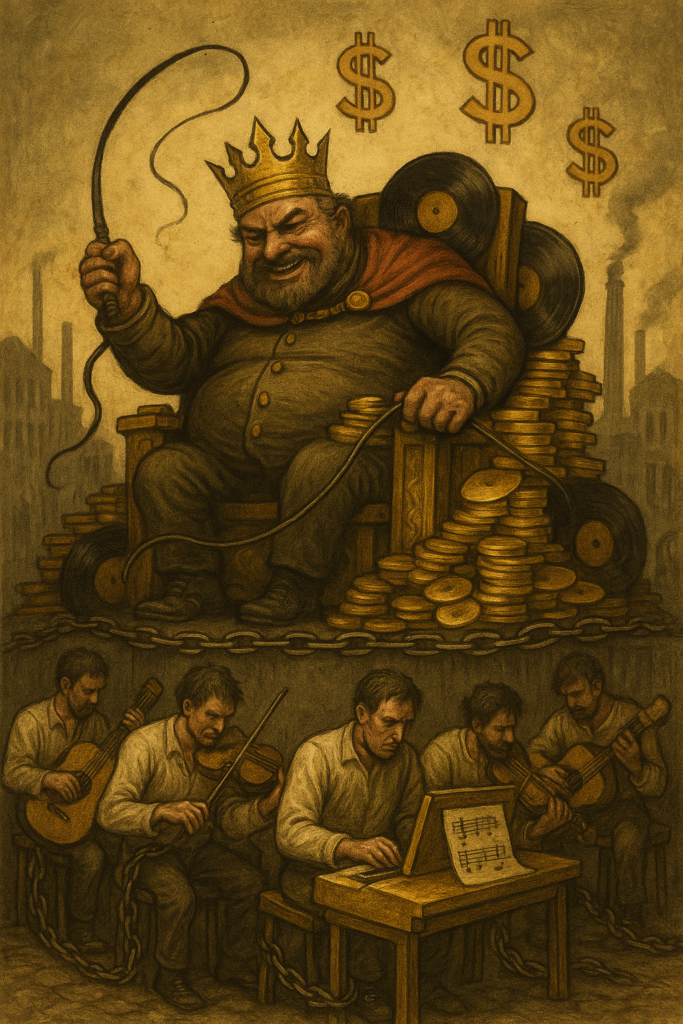
We are witnessing the shift from a creative tool to a controlled distribution system. From empowerment to permission.
The real business model change
Suno is moving from:
Pay monthly → Create freely
To:
Pay monthly → Plus usage limits → Plus download fees → Plus licensing layers
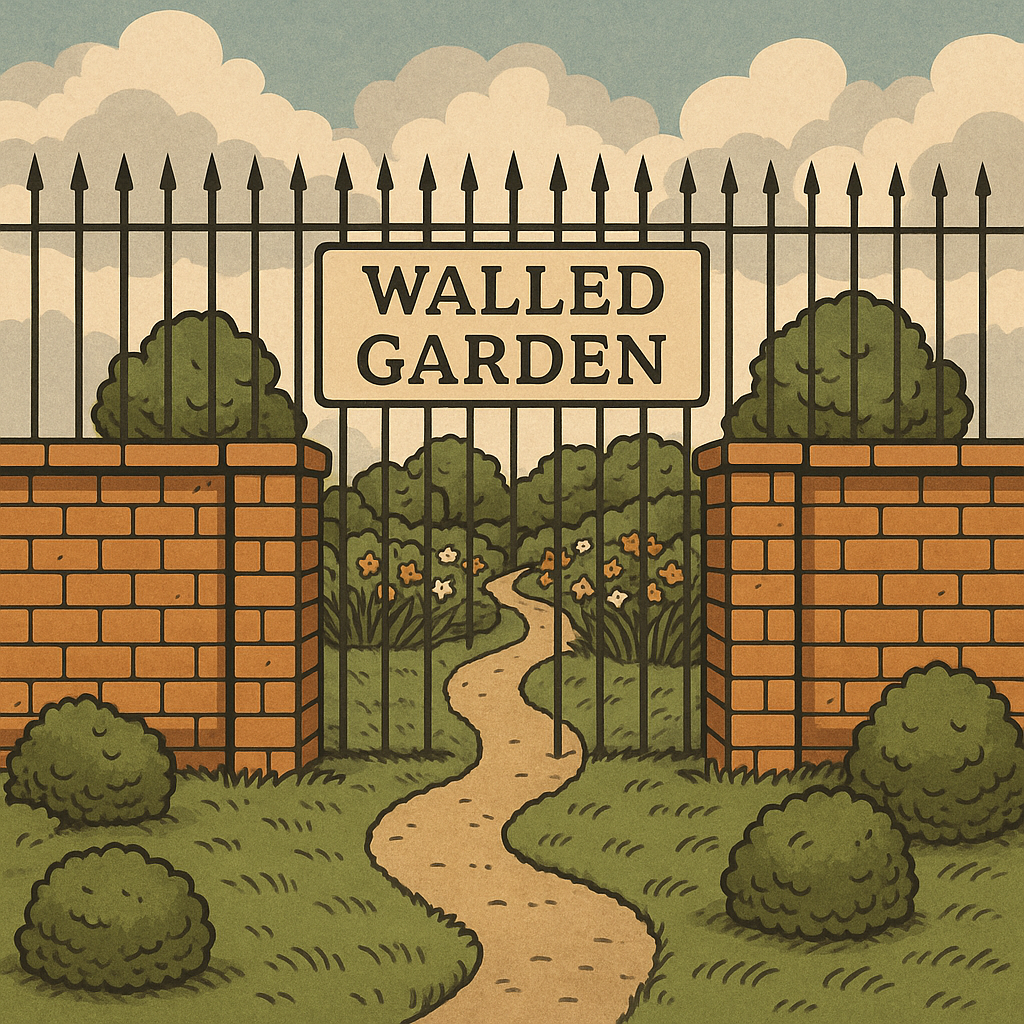
That is the classic monetisation funnel of a walled garden. It turns creators into renters of their own output.
You do not own the art. You lease access to it.
The “licensed model” trap
Licensed datasets cost money, and those costs will not be absorbed by Suno long-term. They will surface through:
- Increased subscription tiers
- Credit systems
- Tier segmentation
- Content clearance fees
- Usage caps
- Commercial restriction expansions
But it will not be presented as price hikes. It will be framed as:
“Supporting artists” “Protecting the creative community” “Responsible AI”
All noble wording. All financially strategic.
Artistic freedom replaced by brand-safe creation
The introduction of opt-in artist likeness usage sounds respectful, but it also creates an entirely new market:
- Paid artist packs
- Premium collaboration experiences
- Controlled sound profiles
- Artificial scarcity of creative options
This benefits Warner’s roster and their revenue streams, not independent creators seeking genuine freedom.
It transforms AI music generation into a curated product showcase instead of an open creative landscape.
Why this feels like betrayal
Because Suno marketed itself as the opposite of this.
It grew its audience by promising creative liberation, not corporate compliance. It positioned itself as disruptor, not future partner of the very institutions it claimed to challenge.
The emotional backlash is not irrational anger. It is the natural response to broken trust.
And trust is everything in a creative ecosystem.
The ecosystem myth
When companies speak of “building the biggest music ecosystem,” they are not talking about creative connection. They are talking about owning the pipeline:
- Creation
- Hosting
- Licensing
- Distribution
- Monetisation
- Analytics
- Fan interaction
All under one roof. All recorded. All controlled.
That is not an ecosystem. That is a controlled economy.
This was always the danger
The pattern is familiar:
- Create disruptive tool
- Empower early adopters
- Scale userbase
- Gain cultural legitimacy
- Attract corporate influence
- Reintroduce gatekeepers
- Normalise restrictions
- Monetise everything
We are now in stage six and seven.
The real concern going forward
If Suno had said: “Everything stays as-is, and this partnership is purely optional and additive”
Most creators would breathe easier.
But they did not say that.
Instead they spoke of downloads becoming limited, models being replaced, licensing layers being integrated, and better monetisation flows. That is not reassurance. That is forewarning.
What creators should be paying attention to
- Any mention of paid download expansions
- Introduction of credit-based generation systems
- Changes to commercial usage rights
- New distribution restrictions
- Content ownership clauses
- Forced platform exclusivity
These are the levers of control.
The bigger picture
This is not just about Suno. This is about the future of AI music as a whole.
Udio, Suno, and now Stability AI are all moving into licensed partnerships with major labels. The same industry that fought AI is now absorbing it. Not to empower creators, but to reassert control.
The revolution is being redirected into a revenue stream.
Download your tracks now while you still can. Unfortunately SUNOs interface make this troublesome if you have a large back catalog, but luckily someone has created THIS nice little Chrome extension to help you out 😉
Final truth
This does not feel accidental because it isn’t.
This feels like a calculated repositioning. It feels like the beginning of a gradual lock-in strategy. It feels like freedom shrinking under the disguise of progress.
And creators are right to question it.
Call it what it is: Not evolution. Not protection. Not partnership.
Its a Betrayal. There’s no other way to sell it.
About the Author